
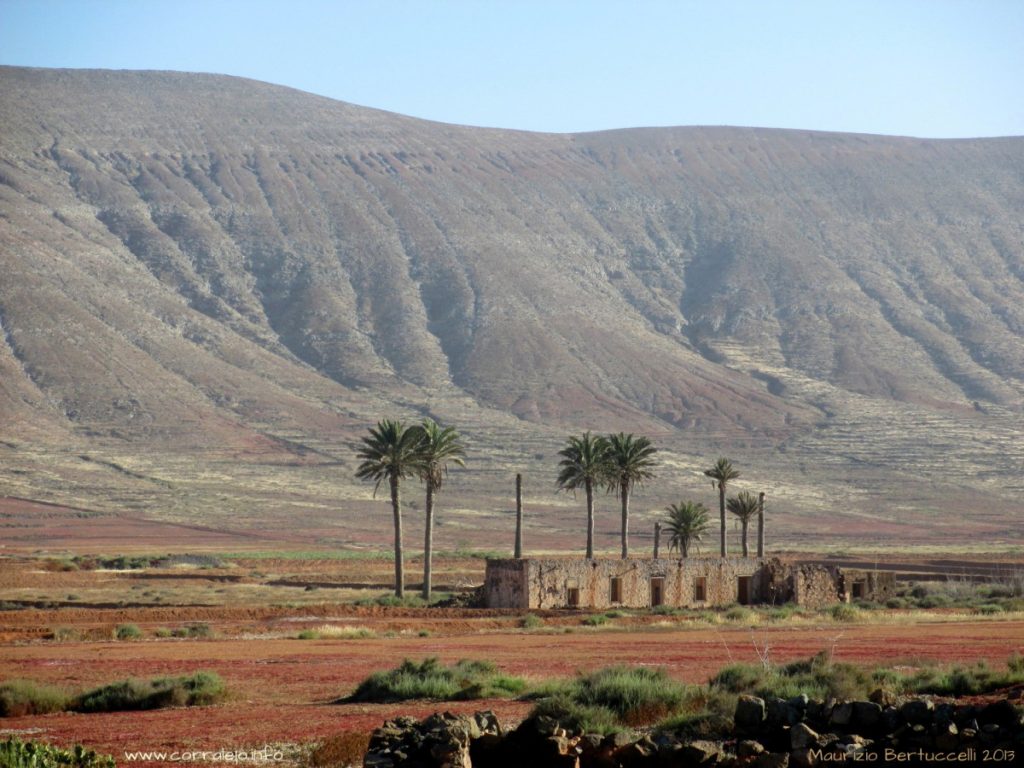
La Oliva Fuerteventura is a Spanish municipality that belongs to the province of Las Palmas, located in the north of the Canary Island.
La Oliva Fuerteventura is developed on an extensive plain of fertile land and owes its name to the presence of “acebuches” (wild olive trees) in its territory.
It is the second largest municipality in the Canary Islands, just after the majorera Pajara and the second most populated on the island, after Puerto del Rosario (the capital).
A bit of history
La Oliva was an important nucleus of the population of the Majos, an aboriginal people prior to the Spanish era.
The conquest of Fuerteventura was in 1405 by General Jean de Bethencour. The village of Betancuria was chosen as the capital because it was located in a place protected from pirate attacks and took its name from the conqueror of the island. From Betancuria the whole island was governed. Once the capital was founded, Pajara in the south of Betancuria and La Oliva in the north, formed the first backbone of the island.
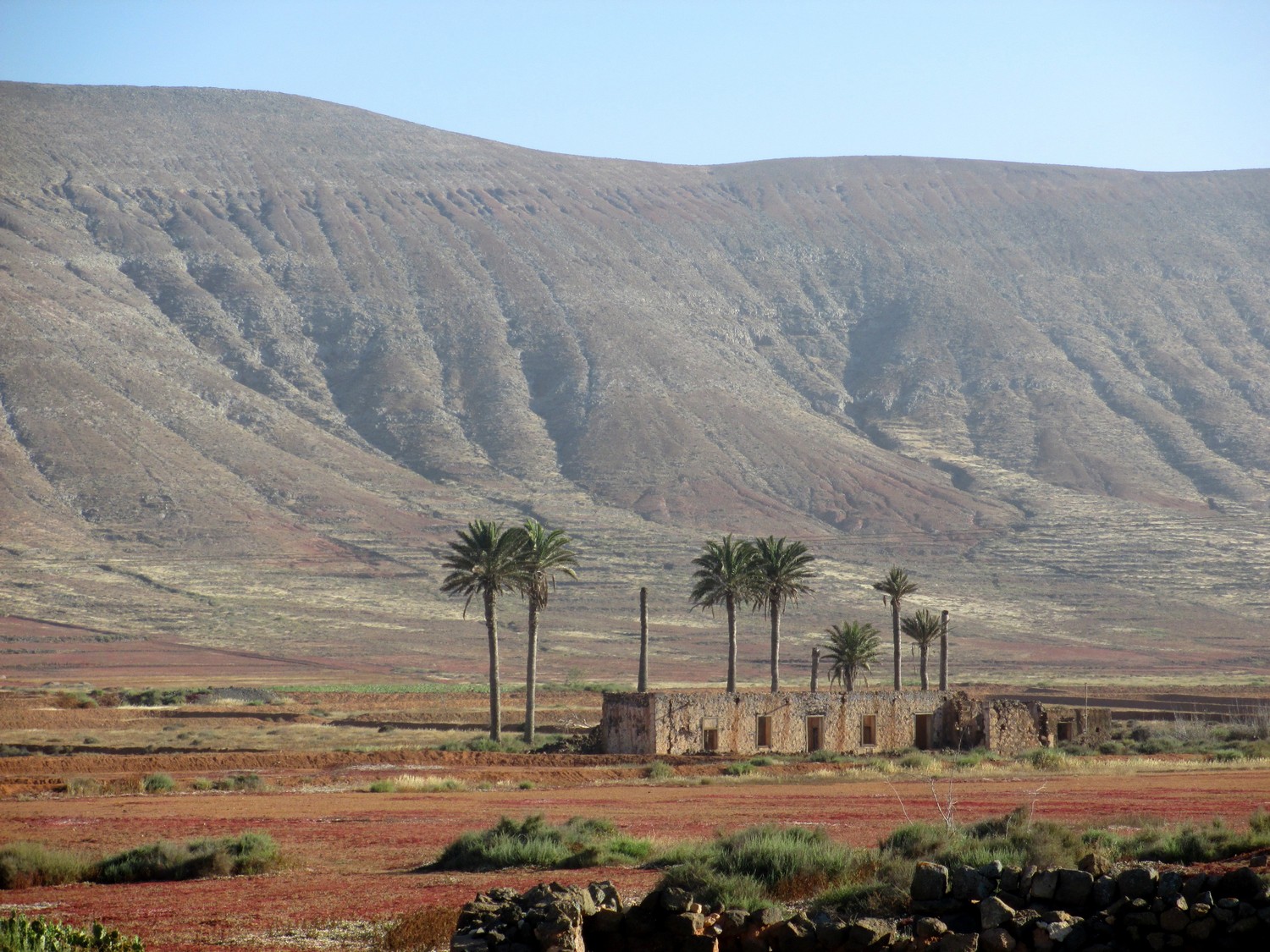 The village of La Oliva was founded in 1500 by individuals known as the Hernàndez brothers, residents of the Villa of Betancuria, “who built two small houses in this jurisdiction with the aim of staying there during the sowing period…”.
At that time, new villages were born, such as the port of El Tostón (El Cotillo), Vallebròn, La Caldereta, Los Lajares, Villaverde.
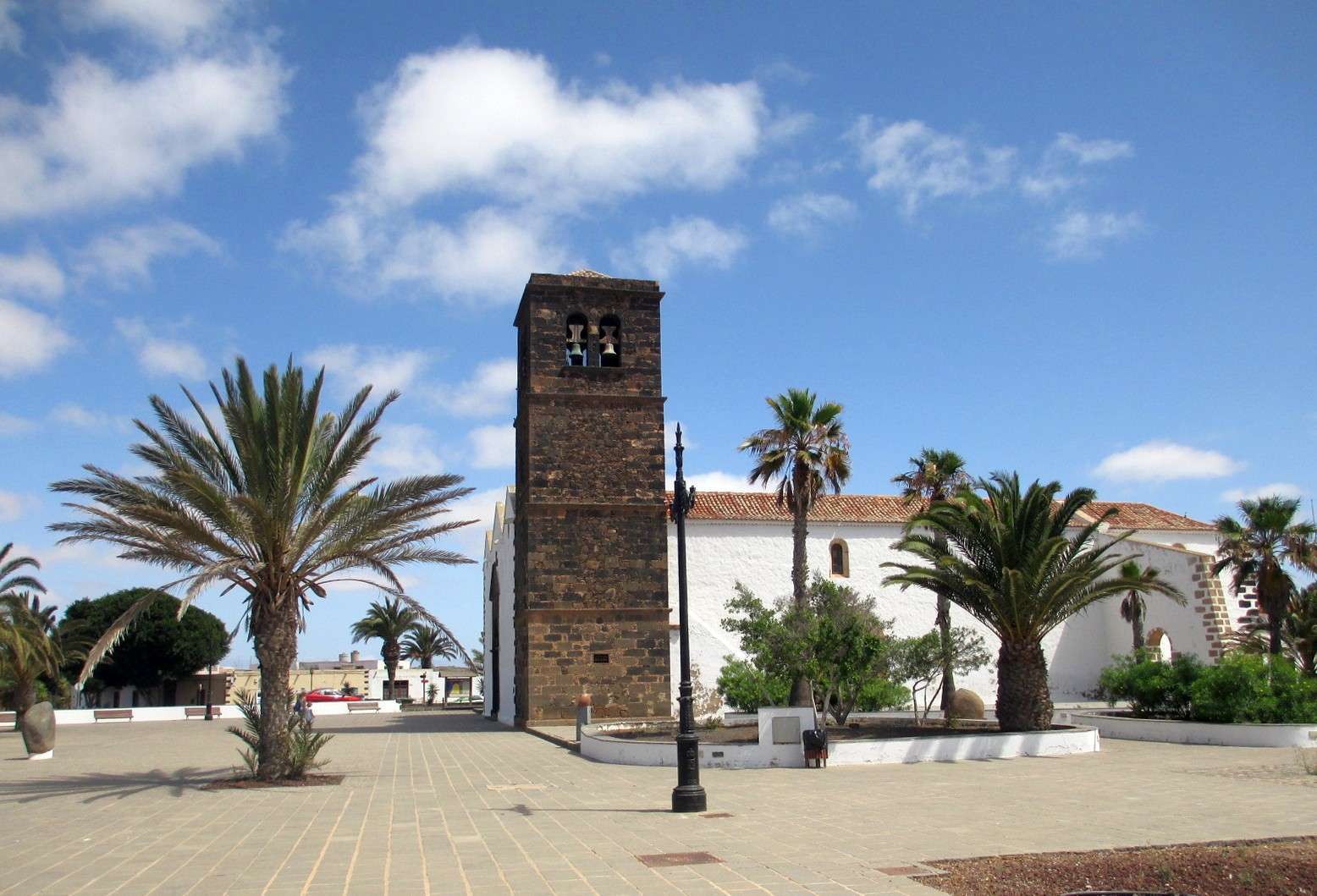
However, all these new emerging populations were located very far from the nerve center of Betancuria, so in 1711 the Parish of La Oliva was built so that its inhabitants could fulfill their religious obligations.
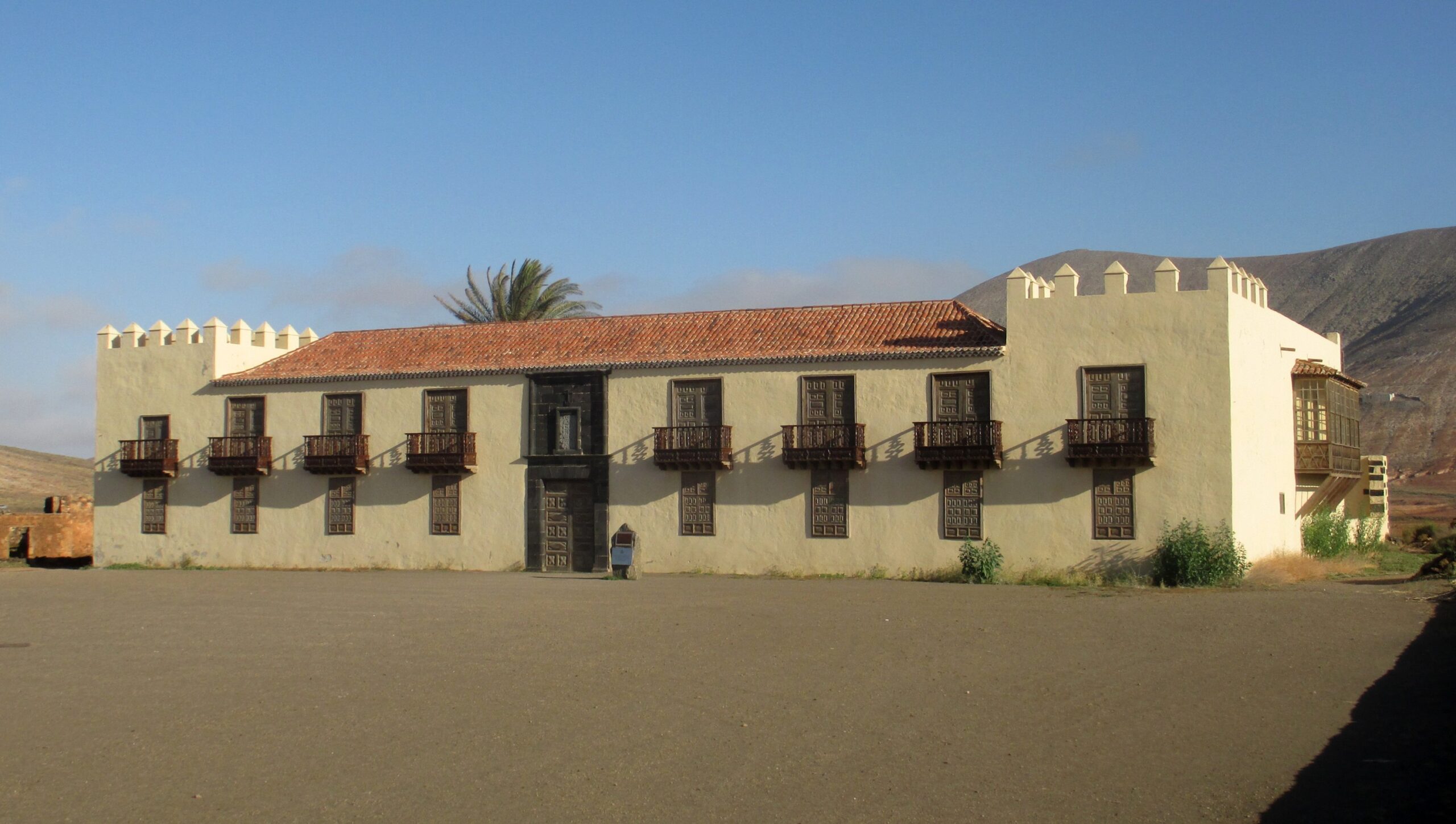 In 1742 Los Coroneles moved their residence from Betancuria to La Oliva, settling in the house known as the Casa de los Coroneles. La Oliva thus became one of the most important population nuclei and the main center of government on the island, due to the enormous political, economic and social power of Los Coroneles (the colonels).
In 1812, the “Cortes de Càdiz” carried out an administrative reform that assigned the category of municipality to all parishes with more than a thousand inhabitants. This legislation makes it possible to create its own Ayuntamento (Municipality), independent of the distant capital, Betancuria.
In the last third of the nineteenth century, with the disappearance of the figure of Los Coroneles, La Oliva lost protagonism in favor of Puerto Cabra, the current capital Puerto del Rosario.
And then……
For almost 500 years, the main economic activities of the Municipality were the agriculture of cereals, livestock farming and to a lesser extent, fishing.
The strong tourist impulse, starting from the seventies of the last century, has converted the service sector into the great engine of development of La Oliva. This development has led to an important increase in the population in the work sectors related to Tourism, going from 2,900 inhabitants in 1975 to more than 30,000 today.
In the cultural sphere, the introduction of this volume of population, which comes from many parts of the world, has created new customs and traditions that have left the traditional model in a clear minority.
In this municipality there are two natural parks, the Corralejo Natural Park, which includes its unique Dunes, and the natural park of the island of Lobos.
About 130 species of animals and plants live in the Lobos Park.
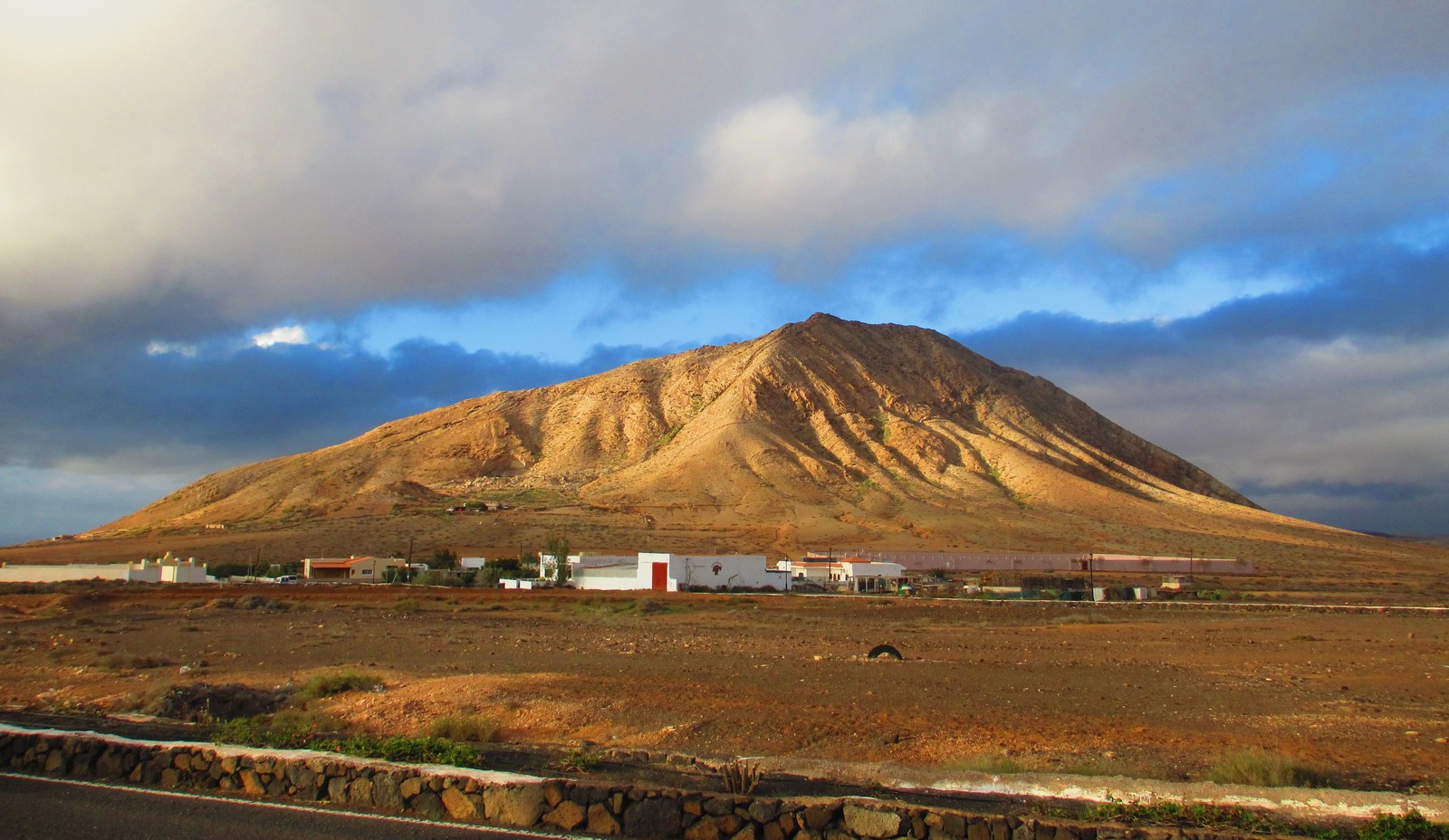 In this municipality there is the Mountain of Tindaya, one of the main deposits of rock manifestations on the island, it was considered magical by the Guanches. It is a unique space that contains important archaeological and geological values.
The vegetation of the municipality is characterized by thorny scrub (such as the “aulaga”: broom or the “matamoros”: dry moor).
In the municipality, the beaches of El Cotillo and Corralejo stand out, the two main centres that have allowed the development of tourism in the northern area of Fuerteventura.
On its coasts there are the necessary conditions to practice all kinds of water sports such as Surfing, Windsurfing, Diving, Kite, Sup, Canoeing etc.
In the center of the city is the main church of La Oliva “Parroquia de Nuestra Señora de Candelaria”. And right next to it is the historic “Casa de Los Coroneles”.


