
Fuerteventura is wind, it is land, it is sea, it is light, it is calm.
 It is the oldest island of the Canary Islands, and is believed to have emerged from Ajuy in the central-western area about 20 million years ago.
Separated from neighboring Lanzarote by the Bocaina Strait, it has a total extension of 1,660 km2 of surface, being the longest of the Canary Islands with 120 km from north to south and geographically the closest to Africa, since it is located only 98 km from the coast of Morocco, with the closest point being the Lighthouse de la Entallada, The first lighthouse built in the Canary Islands that dealt with sea and air traffic, located just behind Las Playitas, a charming coastal village very close to Gran Tarajal.
The Jandía Peninsula, in the south, is connected to the rest of the island by the isthmus of La Pared.
Tourism began in Morro Jable in the late 70s with the construction of the Robinson hotel, the first hotel establishment, followed by the Casa Atlántica hotel and later the Meliâ Gorriones on Sotavento beach, with the first German tourists arriving thanks to the influence of Willy Brandt, a well-known German chancellor and great lover of the Majorera island, considered the precursor of German tourism in the south of the island.
Inevitably, the Germanic influence in Jandía was already present with the arrival of the Nazis on the coasts of Cofete, the most difficult to reach Majorera beach and of great natural and scenic beauty. It was in the early 1940s, at the end of World War II, that Jandía’s landowner, Gustaf Winter, built the Villa Winter: a legendary house that supposedly housed the Germans who arrived in U-boats and took refuge in Cofete fleeing the hardships of the war.
Today it is the Villa Winter Museum, which can be visited with a modest contribution; a legend that for many tells the living history of Fuerteventura.

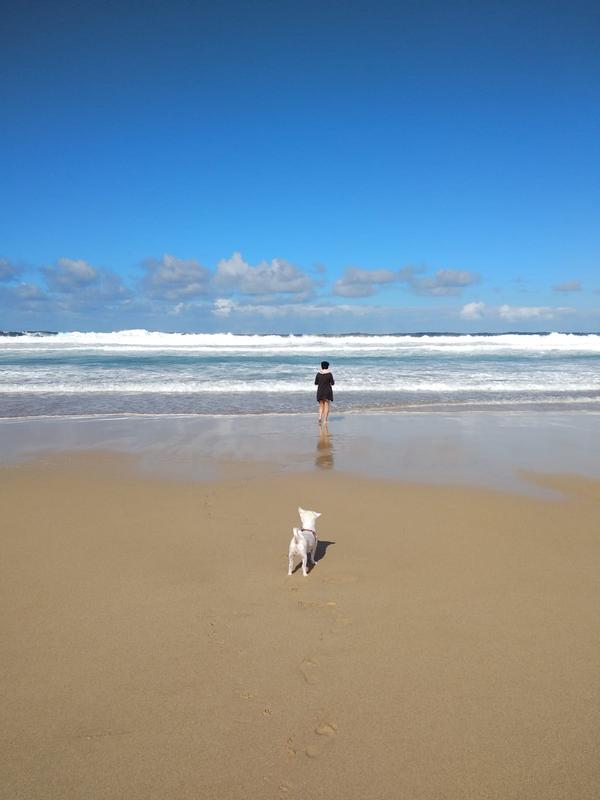
Fuerteventura is also known as the “Spanish Caribbean”, for its beaches of fine white sand and its crystal clear waters, a territorial and tourist value that places it among the best beaches in the world, making it a destination in great demand for sun and sea tourism in emerging countries.

As for the climate, this is determined by the trade winds that blow from the north-east, with a humidity of 75%, weak rainfall throughout the year and an average temperature of about 20°C which can drop in winter up to 15° and rise in the summer up to 30°.
The most characteristic climatological phenomenon is the calima or sirocco, suspended dust that the trade winds carry from Western Sahara and deposit in the air, erasing the silhouette of the mountains and changing the color of the sky both day and night.
The tourist centers with the greatest affluence have always been Corralejo in the north with schools for water sports such as Surf, Windsurf and Stand Up Paddle at Flag Beach, two shopping centers, the historic center of the village and a nautical port with the best views of the islet of Lobos;
Caleta de Fuste on the central-eastern coast, a town that has a modern shopping center, casino, golf course and very quiet residential areas;
Costa Calma and Morrojable in Jandía, which include more than 20 km of coastline with the jable ecosystem.

Declared a Biosphere Reserve by UNESCO in 2009, it has 2 Natural Parks, declared as such by the Government of the Canary Islands: Natural Park of the Dunes of Corralejo and Lobos Island and Natural Park of Jandía, with a vegetation rich in psammophilous plants, verodes, balos and cardoons; both parks have been declared ZEPA zone (Special Protection Area for Birds) where species such as the shearwater, the Canarian guirre, the grey heron and the hoopoe or tabobo are protected.
The Archaeological Museum of Fuerteventura recently opened its doors in Betancuria, the only historical-cultural center on the island and historical capital of all the Canary Islands, founded in 1404 by the conquistador Jean de Bethencourt during the subjugation of the mahoh, as the natives of ancient Erbania were called, for which…
… you can’t miss an island that offers so many natural resources, so much history and also, for the most demanding palates, the best goat’s cheese with Designation of Origin in all 6 municipalities.
By: Susana Carrasco (copywriter)
visit the Fb CanarHistory page


